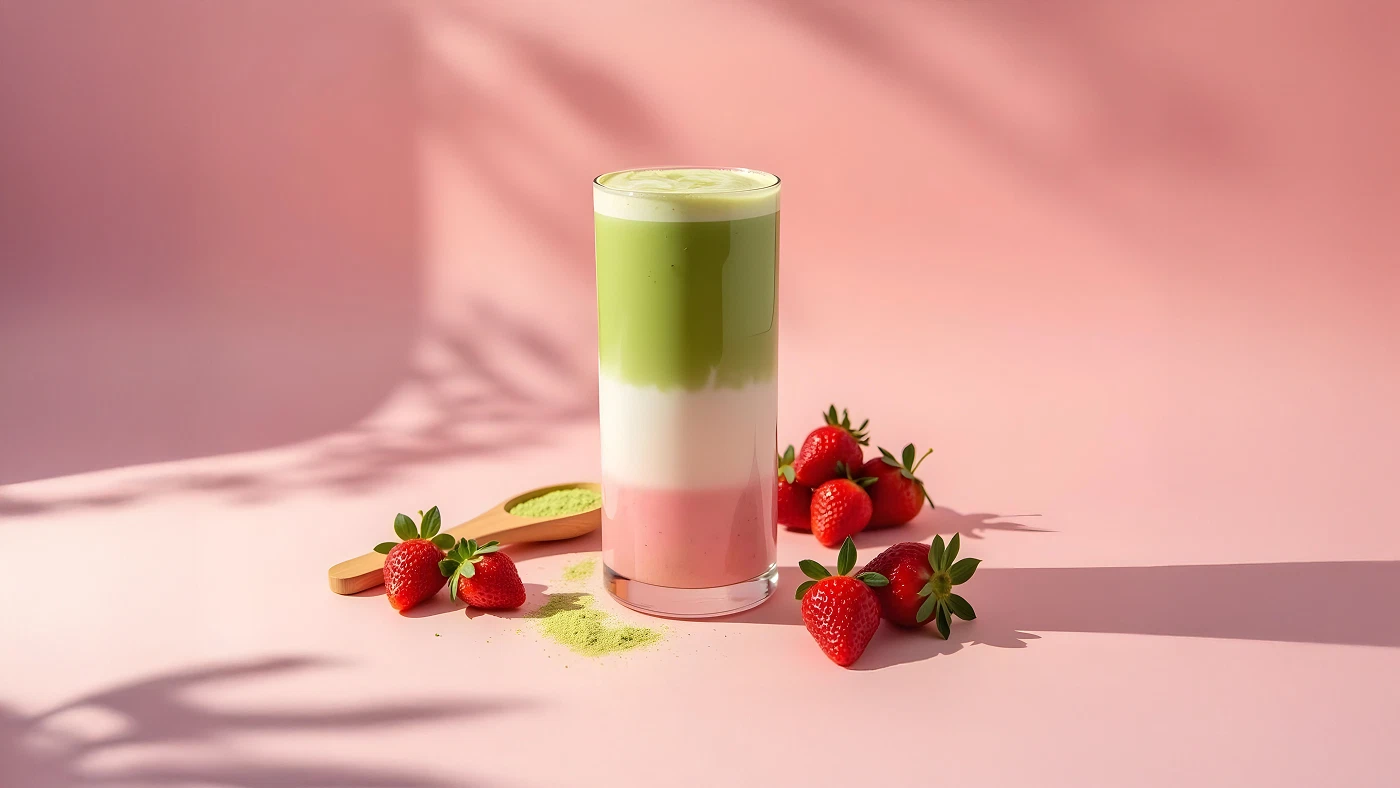
Hey there, fellow drink lovers. Picture this: It’s a sunny afternoon in early spring, and I’m wandering through a local farmers’ market, the kind where the air smells like fresh earth and blooming flowers. I spot a stall with vibrant red strawberries piled high, and suddenly, I’m hit with a craving I’ve been nursing all winter—a strawberry matcha latte. You know the one: that gorgeous layered drink with the pinkish strawberry base, creamy white milk in the middle, and a frothy green matcha top that just screams “Instagram-worthy.” I’ve been making these at home for years now, ever since I discovered how easy it is to whip one up without shelling out $8 at a cafe. If you’re new to this fruity green tea sensation or just curious about why it’s blowing up everywhere, stick with me. I’m going to walk you through everything from what it is to how to make your own, plus some tips from my own kitchen mishaps and triumphs. Trust me, by the end, you’ll be ready to trade your boring old coffee for this energizing treat.
What Is a Strawberry Matcha Latte?
A strawberry matcha latte is essentially a creative fusion of traditional Japanese matcha green tea with the sweet, tangy burst of fresh strawberries, all blended into a creamy latte. It’s typically served iced, featuring distinct layers that make it as visually stunning as it is delicious—the bottom layer of pureed or macerated strawberries, a middle of chilled milk, and a top of whisked matcha. This drink originated from innovative boba shops and cafes, like the famous Boba Guys in California, where it first gained traction as a seasonal special. Unlike a plain matcha latte, which is just matcha powder whisked with hot water and milk, the strawberry version adds a fruity twist that balances the matcha’s earthy bitterness with natural sweetness. It’s become a viral hit on social media, especially among those seeking healthier alternatives to sugary coffee drinks, and it’s no wonder—it’s refreshing, photogenic, and packs a subtle caffeine kick without the jitters.
I remember the first time I tried one at a little tea shop in my hometown. I was skeptical; matcha can be an acquired taste, all grassy and umami-rich, but the strawberries made it feel like summer in a glass. Fast-forward to now, and it’s my go-to for lazy weekends or when I need a pick-me-up that doesn’t leave me crashing. If you’re wondering why it’s so popular, it’s that perfect blend of health-conscious vibes and indulgent flavor—think antioxidants from the matcha meeting vitamin C from the berries.
The History and Origins of Strawberry Matcha Latte
The strawberry matcha latte didn’t just appear out of nowhere; it’s a modern evolution of ancient traditions mixed with contemporary cafe culture. Matcha itself dates back to the 12th century in Japan, where Zen Buddhist monks brought powdered green tea from China and refined it into the ceremonial drink we know today—whisked in a bowl for tea ceremonies emphasizing mindfulness and simplicity. Fast-forward to the 21st century, and matcha exploded globally, especially in the West, as a superfood in lattes, smoothies, and desserts. The strawberry infusion? That’s where innovation kicks in. It gained fame in the U.S. through places like Boba Guys in San Francisco around 2015, who layered fresh strawberry puree with matcha for a drink that highlighted seasonal California berries. Starbucks jumped on the bandwagon in 2023 with their Iced Strawberry Oat Matcha Latte, turning it into a nationwide sensation and sparking TikTok trends.
From my own experience, I first encountered it during a trip to New York City a few years back, at a trendy boba spot in Brooklyn. The barista explained how the combo honors Japanese tea culture while nodding to American fruit-forward drinks like strawberry milkshakes. It’s funny—back then, I thought it was just a gimmick, but after recreating it at home, I realized it’s a bridge between old-world ritual and new-world fun. Today, it’s everywhere from high-end tea houses to drive-thrus, proving that sometimes, a little fruit can revolutionize a classic.
Ingredients for a Perfect Strawberry Matcha Latte
Crafting the ideal strawberry matcha latte starts with quality ingredients that shine through without overpowering each other. At its core, you’ll need ceremonial-grade matcha powder for that vibrant green color and smooth, non-bitter taste—avoid the cheap stuff, as it can turn chalky. Fresh strawberries (or frozen for convenience) provide the natural sweetness and tartness; aim for ripe, in-season ones from May to October for the best flavor. Milk is key for creaminess—oat milk is a favorite for its subtle sweetness that pairs beautifully with matcha, but almond, whole dairy, or even coconut work too. A touch of sweetener like honey, maple syrup, or simple syrup balances everything, and ice keeps it chilled and refreshing.
In my kitchen experiments, I’ve learned that sourcing matters. I once used off-season strawberries, and they were bland—lesson learned: hit up a local market or use frozen organic ones from brands like Cascadian Farm. For matcha, I swear by Ippodo or Encha for ceremonial grade; it’s pricier but worth it for the umami depth. Don’t forget a bamboo whisk (chasen) if you can—it’s a game-changer for froth without clumps. With these basics, you’re set for a drink that’s not just tasty but also nutrient-packed.
Essential Tools for Making It at Home
To pull off a pro-level strawberry matcha latte without frustration, grab a few simple tools that make the process foolproof. A fine-mesh sieve or strainer is crucial for smooth strawberry puree, preventing chunky bits that ruin the layers. A matcha whisk or electric frother ensures lump-free matcha—I’ve burned through cheap ones, so invest in a bamboo chasen for authenticity. A tall glass (16-20 oz) showcases those beautiful layers, and a blender or food processor speeds up strawberry prep.
From my trial-and-error days, I can tell you skipping the frother leads to gritty matcha—trust me, it’s not fun sipping sediment. A measuring spoon set keeps ratios spot-on, and wide straws let you slurp up every layer. These aren’t fancy gadgets, but they elevate your home barista game, making it feel like you’re at a cafe without the line.
Step-by-Step Recipe: How to Make Strawberry Matcha Latte at Home
Whipping up a strawberry matcha latte at home is surprisingly straightforward, taking just 5-10 minutes if you have everything prepped. Start by macerating or pureeing the strawberries: Hull about 5-6 fresh ones, chop finely, and mix with 1-2 teaspoons of sugar or honey. Let it sit for 10 minutes to draw out juices, then blend until smooth and strain for silkiness. This creates that luscious base layer that’s the drink’s signature.
Next, prepare the matcha: Sift 1 teaspoon of ceremonial matcha into a bowl to avoid clumps, add 2 tablespoons of hot (not boiling) water around 175°F, and whisk vigorously in a zigzag motion until frothy—about 30 seconds. This activates the matcha’s flavor without scorching it. Fill your glass with ice, pour in 6-8 oz of milk (oat for creaminess), then gently add the strawberry puree at the bottom before topping with the matcha. Stir lightly for a gradient effect or sip through layers for full flavor immersion. Pro tip: Use cold milk to keep it iced; if you want it hot, steam the milk instead.
I recall my first attempt—I over-whisked the matcha and it turned bitter, but tweaking the water temp fixed it. Now, it’s my weekend ritual, and it’s saved me hundreds on cafe runs. Adjust sweetness to taste; mine’s lightly sweet for that authentic balance.
Tips for the Best Flavor and Texture
For a flawless strawberry matcha latte, temperature control is everything—hot water that’s too boiling kills the matcha’s delicate notes, so aim for just off the boil. Use fresh, ripe strawberries for peak tartness; frozen works in a pinch but thaw them first to avoid watering it down. If your matcha clumps, sift it twice and whisk longer; a frother saves time but lacks the traditional charm.
Humor me here: I once forgot to strain the puree and ended up with strawberry seeds in my teeth—lesson learned, always strain! For vegan versions, swap dairy for oat milk; it froths beautifully. Experiment with add-ins like a dash of vanilla for depth, but keep it simple to let the stars—strawberry and matcha—shine. Store extra puree in the fridge for up to 4 days; it’s great for multiple servings.
Health Benefits of Strawberry Matcha Latte
Beyond its eye-catching layers, a strawberry matcha latte is a powerhouse of nutrients that can supercharge your day. Matcha, being finely ground whole green tea leaves, delivers a concentrated dose of antioxidants like EGCG, which fights free radicals, boosts metabolism, and supports heart health by lowering LDL cholesterol. Paired with strawberries’ high vitamin C content, it enhances immune function and skin glow—think of it as a delicious detox. The L-theanine in matcha provides calm focus and steady energy, avoiding coffee’s crash, while strawberries add fiber for digestion.
Personally, I’ve swapped my afternoon coffee for this latte during busy workweeks, and I notice less fatigue plus better concentration—it’s like a gentle hug for your brain. Strawberries’ low calories (about 50 per cup) keep it light, and with plant-based milks, it’s dairy-free friendly. Of course, moderation is key; the natural sugars from fruit are fine, but added sweeteners can tip the scale. Overall, it’s a smarter indulgence that nourishes without guilt.
Nutritional Breakdown
To give you a clear picture, here’s a simple table outlining the approximate nutrition for a 16-oz iced strawberry matcha latte made with oat milk, fresh strawberries, and no added sugar (based on standard recipes; values can vary).
| Nutrient | Amount per Serving | % Daily Value* |
|---|---|---|
| Calories | 120-150 | 6-8% |
| Protein | 3-5g | 6-10% |
| Total Fat | 4-6g | 5-8% |
| Carbohydrates | 20-25g | 7-9% |
| Fiber | 2-3g | 7-11% |
| Sugars (natural) | 10-15g | N/A |
| Caffeine | 50-70mg | 17-23% |
| Vitamin C | 50-70mg | 56-78% |
| Antioxidants (EGCG) | High | N/A |
*Based on a 2,000-calorie diet. Source: Adapted from USDA data and matcha studies. Dairy milk ups calories to 200; use almond for lower fat.
This breakdown shows why it’s a balanced choice—low cal, high in goodies. I track mine with an app, and it’s always a win for my goals.
Variations of Strawberry Matcha Latte
While the classic iced version reigns supreme, strawberry matcha lattes offer endless tweaks to suit your mood or dietary needs. For a hot twist, steam the milk and pour the matcha over gently—no ice, just cozy warmth for cooler days. Vegan? Use coconut milk for tropical vibes or soy for protein punch. Add boba pearls for chewiness, turning it into a full boba shop experience, or swirl in chia seeds for omega-3s and texture.
I’ve played around a lot; my favorite is a strawberry matcha frappe—blend everything with ice for a slushy treat on scorching summer days. For low-sugar, skip added sweeteners and rely on ripe berries. Seasonal spins include strawberry-basil for herbal notes or strawberry-mango for extra fruitiness. These variations keep it fresh, proving this drink’s versatility.
Hot vs. Iced Strawberry Matcha Latte
- Hot Version Pros: Warmer milk enhances matcha’s umami; ideal for winter comfort. Cons: Layers don’t show as dramatically; can separate if not stirred.
- Iced Version Pros: Refreshing chill, stunning visuals; perfect for summer. Cons: Melts faster, diluting flavors if not consumed quickly.
From my trials, iced wins for aesthetics, but hot feels more indulgent on rainy days—like a fruity hug in a mug.
Where to Buy or Order Strawberry Matcha Latte
If DIY isn’t your thing today, plenty of spots serve stellar strawberry matcha lattes. Starbucks’ Iced Strawberry Oat Matcha is a reliable chain option, available nationwide with that creamy oat milk base—order it customized without extra syrup for authenticity. For elevated experiences, hit Boba Guys in California or similar boba chains like Gong Cha, where fresh puree shines. Independent cafes like Matcha Cafe Maiko or local tea houses often use premium ceremonial matcha; check Yelp for “best strawberry matcha near me” to find hidden gems.
In my city, I love a spot called Tea Haven—they source local berries and ceremonial matcha, making it feel artisanal. Online, grab kits from Tazo or Chamberlain Coffee for home brewing, or DoorDash from nearby boba shops. Prices range $5-8; go for places emphasizing fresh ingredients to avoid overly sweet versions. It’s all about supporting spots that get the balance right.
Comparison of Popular Cafe Options
| Cafe/Chain | Price (16 oz) | Key Features | Rating (Out of 5) |
|---|---|---|---|
| Starbucks | $6-7 | Oat milk base, easy to customize | 4.2 |
| Boba Guys | $7-8 | Fresh puree, boba add-on | 4.8 |
| Gong Cha | $5-6 | Affordable, jelly options | 4.0 |
| Local Tea House | $6-9 | Premium matcha, seasonal twists | 4.7 |
Based on reviews from Yelp and personal tries—Boba Guys edges out for flavor, but Starbucks wins for convenience.
Pros and Cons of Strawberry Matcha Latte
Like any trend, the strawberry matcha latte has its upsides and quirks. On the pro side, it’s visually stunning, making every sip a mini event—those layers are pure joy. Nutritionally, it combines matcha’s steady energy with strawberries’ vitamins for a guilt-free boost; I’ve felt more focused without the coffee crash. It’s versatile too—vegan-friendly, customizable, and cheaper at home than cafe prices. Plus, the fruity twist makes matcha approachable for newbies who find plain versions too bitter.
But let’s be real: Cons exist. The matcha’s earthiness can clash if strawberries aren’t fresh, leading to an off taste—I’ve had watery versions from out-of-season fruit. It’s calorie-dense if sweetened heavily (up to 300 with syrup), and sourcing quality matcha adds cost. Layers can mix too fast, losing the aesthetic, and it’s not ideal for caffeine-sensitive folks. Still, the pros outweigh for me; with tweaks, it’s a winner.
- Pros List:
- Antioxidant-rich and energizing.
- Beautiful, shareable presentation.
- Customizable for diets (vegan, low-sugar).
- Affordable homemade alternative to cafes.
- Cons List:
- Potential bitterness if ingredients are subpar.
- Higher sugar if not controlled.
- Seasonal availability for best strawberries.
- Can be pricey at specialty shops.
Balancing these makes it a smart addition to your routine, especially if you love experimenting like I do.
People Also Ask (PAA) About Strawberry Matcha Latte
Based on common Google searches, here are real questions people ask about this drink, with straightforward answers drawn from popular sources and my own insights.
Is Strawberry Matcha Latte Healthy?
Yes, it’s a healthier option than many sugary lattes, thanks to matcha’s antioxidants (like EGCG for metabolism and focus) and strawberries’ vitamin C for immunity. A basic version has 120-150 calories, low fat, and steady caffeine (50-70mg) without jitters. Opt for unsweetened and plant milk to keep it light; it’s great for digestion too. Just watch added sugars—mine’s a daily treat without guilt.
Can I Use Frozen Strawberries for Strawberry Matcha Latte?
Absolutely, frozen strawberries work great and are often sweeter since they’re picked at peak ripeness. Thaw them first to release juices, then puree as usual—no flavor loss, and it’s handy year-round. I’ve used frozen organic ones in off-season months with zero compromise; just strain well to avoid excess water diluting the drink.
What’s the Difference Between Strawberry Matcha Latte and Regular Matcha Latte?
The strawberry version adds pureed or macerated strawberries for sweetness and tartness, balancing matcha’s bitterness with fruitiness—it’s more refreshing and layered. Regular is just matcha, milk, and maybe sweetener, focusing on earthy umami. Strawberry makes it approachable for fruit lovers; I prefer it for variety, but plain shines for purists.
How Many Calories in a Strawberry Matcha Latte?
Around 120-200 calories for a 16-oz iced one, depending on milk and sweetness. With oat milk and fresh berries, it’s about 140; dairy ups it to 180. Starbucks’ version is 200 with inclusions. Track yours—mine stays under 150 for a satisfying, low-cal boost.
Can I Make Strawberry Matcha Latte Without a Whisk?
Yes, a fork or electric frother does the trick for matcha—whisk vigorously to break clumps. For best results, sift the powder first. I’ve used a blender on low for froth in a pinch; it’s not traditional but gets the job done without buying extras.
FAQ: Common Questions About Strawberry Matcha Latte
Here are answers to frequent user queries, optimized for quick insights.
Q: Is strawberry matcha latte caffeine-free? A: No, it has about 50-70mg from the matcha—less than coffee (95mg) but enough for a gentle lift. Skip matcha for decaf versions using herbal alternatives.
Q: Can kids drink strawberry matcha latte? A: In moderation, yes—the caffeine is low, and it’s fruity fun. Use less matcha or half-decaf; my niece loves a mild version as a treat.
Q: How do I store leftover strawberry puree? A: Refrigerate in an airtight jar for 3-4 days; freeze in ice cube trays for up to 3 months. Thaw and use for quick lattes—I’ve got batches ready for busy mornings.
Q: What’s the best milk for strawberry matcha latte? A: Oat milk for creaminess and natural sweetness that complements matcha; almond for lightness. Experiment—dairy works if you’re not vegan.
Q: Why is my strawberry matcha latte bitter? A: Likely from low-quality matcha or boiling water—use ceremonial grade and 175°F water. Fresh strawberries help balance; sift powder always.
There you have it—a deep dive into the world of strawberry matcha lattes that’s left me thirsty for one right now. Whether you’re blending your first at home or hunting the best cafe spot, this drink’s charm lies in its simplicity and joy. Give it a try, tweak it to your taste, and let me know how it turns out. Cheers to more refreshing sips ahead!