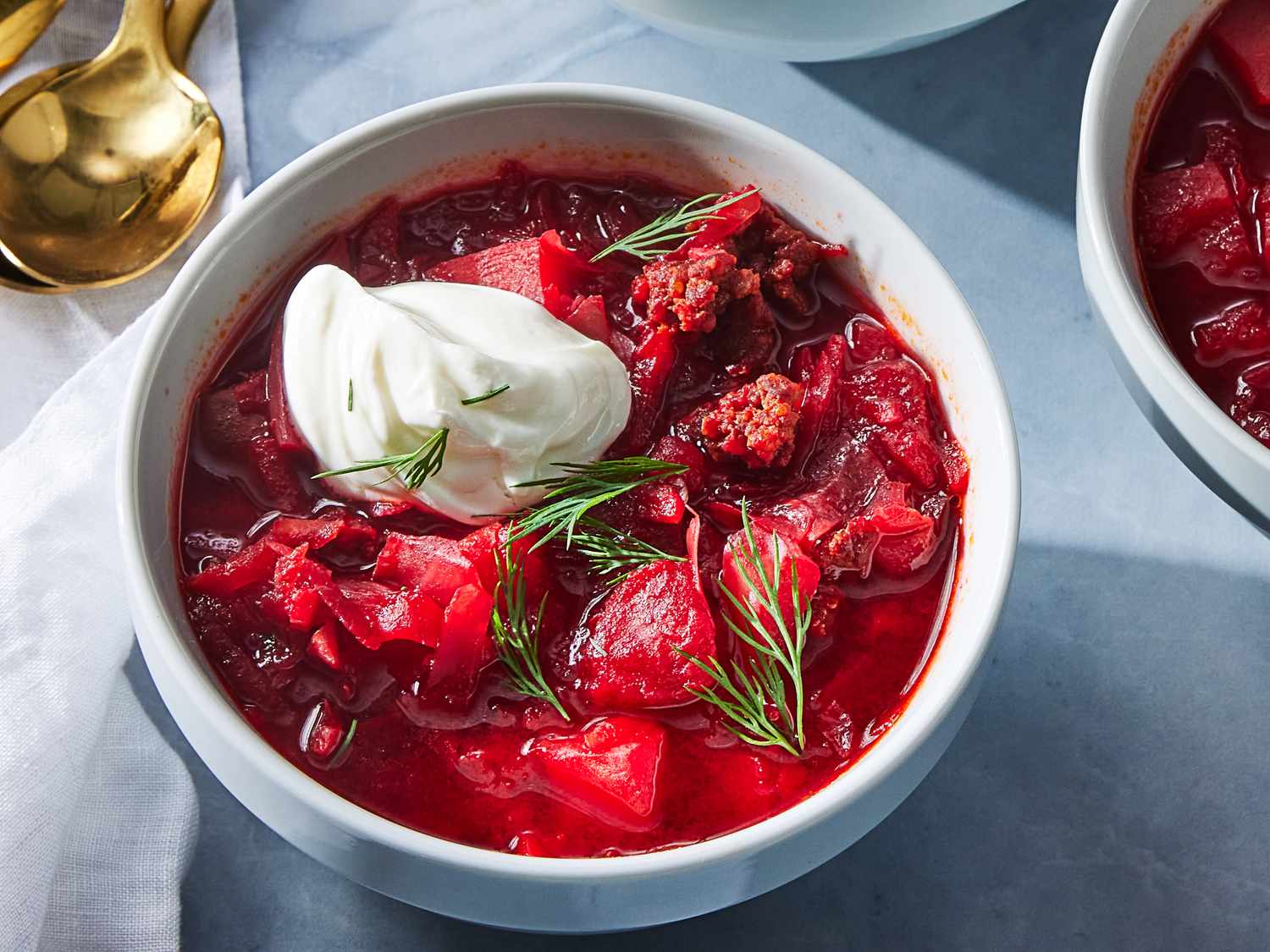
Soup is the ultimate comfort food, a warm hug in a bowl that transcends cultures and cuisines. But while classics like chicken noodle or tomato soup dominate menus, there’s a world of lesser-known soups waiting to be discovered. These hidden gems, from ancient recipes to modern fusions, offer bold flavors, unique ingredients, and stories that make every spoonful an adventure. In this article, I’ll take you on a global tour of 15 delicious soups you’ve probably never heard of, sharing their origins, how to make them, and why they deserve a spot in your kitchen. Whether you’re a home cook looking to impress or just craving something new, these recipes will inspire your next culinary masterpiece.
Why Explore Unknown Soups?
Soup is more than just sustenance; it’s a storytelling vessel, carrying the history and heart of the people who created it. Exploring unfamiliar soups opens a window into diverse cultures, introduces you to new ingredients, and sparks creativity in the kitchen. Plus, these recipes are often simple to make, budget-friendly, and packed with flavor, making them perfect for anyone looking to elevate their cooking game.
The Joy of Culinary Discovery
Trying a new soup is like embarking on a mini adventure without leaving your kitchen. Each recipe below is a chance to taste something unexpected, from tangy broths to creamy blends, all while learning about the traditions behind them. Let’s dive into these 15 hidden treasures!
1. Mohinga (Myanmar)
Mohinga is Myanmar’s unofficial national dish, a fragrant fish noodle soup served at street stalls and family tables alike. This soul-warming dish combines rice noodles with a rich broth made from fish, lemongrass, and turmeric, often topped with crispy fritters. It’s a breakfast favorite in Myanmar, offering a balance of savory, spicy, and tangy notes.
How to Make Mohinga
Start with a base of catfish or tilapia, simmered with lemongrass, ginger, and garlic to create a fragrant broth. Blend roasted chickpea flour for thickness, add fish sauce for umami, and serve over rice noodles with a sprinkle of cilantro and chili flakes. For an authentic touch, top with split pea fritters.
Where to Find Ingredients
Look for lemongrass and fish sauce at Asian markets or online retailers like Amazon. Chickpea flour is available at most grocery stores or health food shops.
2. Bori Bori (Paraguay)
Bori bori is a hearty Paraguayan soup featuring cornmeal dumplings (bori) in a rich chicken or beef broth. Infused with saffron and vegetables like carrots and celery, it’s a comforting dish often served during cooler months. The dumplings add a delightful chewiness that sets it apart.
Crafting Bori Bori at Home
Simmer chicken with onions, garlic, and saffron for a golden broth. Mix cornmeal with cheese and egg to form dumplings, then drop them into the simmering soup. Add diced vegetables and cook until tender. The result is a cozy, filling bowl with a hint of South American flair.
Why It’s Worth Trying
Bori bori is budget-friendly and uses pantry staples, making it ideal for home cooks. Its unique dumplings elevate a simple broth into something special.
3. Caldo Tlalpeño (Mexico)
This Mexican soup from Tlalpan is a vibrant mix of chicken, chipotle chiles, and avocado. It’s a spicy, smoky delight often garnished with lime and cilantro, perfect for those who love bold flavors. Legend has it that it was created to cure ailments, and its zesty kick certainly feels rejuvenating.
Cooking Caldo Tlalpeño
Shred cooked chicken and simmer it in a broth with tomatoes, onions, and chipotle peppers. Add chickpeas for heartiness and top with avocado slices and a squeeze of lime. Serve with warm tortillas for a complete meal.
Pro Tip
Adjust the chipotle to control the heat—start with one pepper for a mild kick or go bold with two for spice lovers.
4. Fanesca (Ecuador)
Fanesca is a rich, ceremonial soup served in Ecuador during Lent, symbolizing unity with its 12 grains and beans representing the apostles. Made with salt cod, pumpkin, and milk, it’s a creamy, nutty dish that’s both hearty and symbolic.
Making Fanesca
Soak cod overnight, then cook with onions, garlic, and pumpkin in a milk-based broth. Add a mix of beans, lentils, and grains like quinoa or rice. Blend peanuts into the broth for creaminess and garnish with hard-boiled eggs.
Cultural Significance
Fanesca is a labor of love, often prepared by families together. Its complex flavors make it a standout for special occasions.
5. Aushak (Afghanistan)
Aushak is a delicate Afghan soup featuring leek-filled dumplings in a yogurt-based broth with ground meat and mint. It’s a celebration of textures, with tender dumplings contrasting the tangy yogurt and savory meat.
Preparing Aushak
Make a simple dough for dumplings, fill with sautéed leeks, and boil until tender. Prepare a broth with yogurt, garlic, and turmeric, then add cooked ground beef or lamb. Top with dried mint for an aromatic finish.
Where to Enjoy
Aushak is rare in restaurants, so try making it at home. Find yogurt and spices at Middle Eastern markets or online.
6. Kjötsúpa (Iceland)
Kjötsúpa is a traditional Icelandic lamb soup, perfect for cold Nordic nights. Made with root vegetables like turnips and carrots, it’s a simple yet deeply satisfying dish that highlights Iceland’s rugged culinary heritage.
How to Cook Kjötsúpa
Simmer lamb shoulder with onions, potatoes, carrots, and turnips in a clear broth. Season with herbs like thyme or dill for a subtle lift. The key is slow cooking to let the flavors meld.
Why It’s Unique
The use of turnips gives kjötsúpa a slightly sweet, earthy flavor that sets it apart from other meat-based soups.
7. Chupe de Camarones (Peru)
This Peruvian shrimp chowder is a coastal gem, blending shrimp, potatoes, and corn in a creamy, spicy broth. Aji amarillo peppers add a distinctive heat, making it a favorite in Lima’s seaside restaurants.
Making Chupe de Camarones
Sauté shrimp shells for a rich stock, then add potatoes, corn, and aji amarillo paste. Finish with evaporated milk for creaminess and garnish with fresh cilantro. Serve with crusty bread to soak up the broth.
Sourcing Ingredients
Aji amarillo paste is available at Latin American grocers or online. Fresh shrimp is key for authentic flavor.
8. Zupa Ogórkowa (Poland)
Poland’s cucumber soup is a tangy, refreshing surprise, made with pickled cucumbers and sour cream. It’s a summer staple that can be served hot or cold, offering a unique twist on Eastern European cuisine.
Crafting Zupa Ogórkowa
Grate pickled cucumbers and simmer with potatoes and dill in a chicken or vegetable broth. Stir in sour cream for a velvety texture. Serve with rye bread for a traditional touch.
Health Benefits
The fermented pickles in zupa ogórkowa are packed with probiotics, making this soup as good for your gut as it is for your taste buds.
9. Sopa de Mondongo (Colombia)
Sopa de mondongo is a Colombian tripe soup, slow-cooked with potatoes, yuca, and cilantro. It’s a hearty, polarizing dish—loved for its rich flavor by some, daunting for others due to its main ingredient.
How to Prepare It
Clean and boil tripe until tender, then simmer with vegetables and a sofrito of tomatoes and onions. Add a splash of lime for brightness. It’s a labor-intensive dish but worth the effort.
Cultural Note
In Colombia, sopa de mondongo is a weekend tradition, often shared with family to celebrate togetherness.
10. Shurpa (Uzbekistan)
Shurpa is a robust Central Asian soup featuring lamb, chickpeas, and root vegetables in a clear, aromatic broth. It’s a staple in Uzbekistan, known for its simplicity and bold flavors.
Making Shurpa
Brown lamb with onions and garlic, then simmer with carrots, turnips, and chickpeas. Season with cumin and coriander for depth. Serve with flatbread for dipping.
Why It’s Special
Shurpa’s straightforward ingredients make it accessible, while its spices transport you to the Silk Road.
11. Sup Kambing (Malaysia)
This Malaysian goat soup is a spicy, aromatic delight, infused with cardamom, cloves, and star anise. It’s a street food favorite, often served with rice or roti.
Cooking Sup Kambing
Simmer goat meat with a spice paste of ginger, turmeric, and chilies. Add tomatoes and potatoes for heartiness. Garnish with fried shallots and cilantro for crunch.
Where to Find It
Look for sup kambing at Malaysian restaurants or try making it with spices from Asian markets.
12. Egusi Soup (Nigeria)
Egusi soup is a West African classic, made with ground melon seeds, spinach, and meat or fish. It’s thick, nutty, and packed with umami, often served with fufu or pounded yam.
Preparing Egusi Soup
Toast ground egusi seeds, then simmer with palm oil, tomatoes, and spinach. Add beef or dried fish for protein. The result is a rich, satisfying stew-like soup.
Cultural Significance
Egusi is a celebratory dish in Nigeria, often served at gatherings to showcase hospitality.
13. Zurek (Poland)
Zurek is a Polish sour rye soup, fermented for a tangy kick and served with sausage and hard-boiled eggs. It’s a Easter favorite, known for its unique, puckering flavor.
How to Make Zurek
Ferment rye flour with water for a few days to create a sour starter. Simmer with sausage, potatoes, and mushrooms, then add the starter for tanginess. Serve in a bread bowl for tradition.
Pro Tip
Buy a pre-made zurek starter at Polish markets to save time on fermentation.
14. Kharcho (Georgia)
Kharcho is a Georgian beef soup with walnuts, rice, and tkemali (sour plum sauce). It’s a bold, tangy dish that balances richness with acidity, perfect for cold days.
Cooking Kharcho
Simmer beef with rice and a spice mix of coriander and paprika. Add ground walnuts and tkemali for a unique flavor profile. Garnish with fresh herbs.
Where to Source Tkemali
Tkemali sauce is available at Eastern European stores or online. Substitute with pomegranate molasses if needed.
15. Salmorejo (Spain)
Salmorejo is a chilled Spanish soup from Andalusia, similar to gazpacho but thicker and creamier, made with tomatoes, bread, and olive oil. It’s topped with hard-boiled eggs and jamón for a luxurious touch.
Making Salmorejo
Blend ripe tomatoes, stale bread, garlic, and olive oil until smooth. Chill and serve with diced eggs and ham. It’s a refreshing summer soup that’s surprisingly filling.
Why It Stands Out
Salmorejo’s velvety texture and vibrant flavors make it a sophisticated yet simple dish.
Comparison: Broth-Based vs. Creamy Soups
| Soup Type | Examples | Pros | Cons |
|---|---|---|---|
| Broth-Based | Mohinga, Kjötsúpa, Shurpa | Light, clear, great for sipping, often lower in calories | May feel less filling, requires robust seasoning |
| Creamy | Fanesca, Salmorejo, Chupe de Camarones | Rich, indulgent, satisfying texture | Higher in calories, can feel heavy |
Which Is Best for You?
Choose broth-based soups for lighter meals or hot days, and creamy soups for cozy, filling comfort. Experiment with both to find your favorite!
People Also Ask (PAA)
What are some unique soup recipes from around the world?
The soups above, like Mohinga from Myanmar or Fanesca from Ecuador, offer unique flavors and cultural stories. Each uses local ingredients and techniques, making them a great way to explore global cuisines.
How can I make soup more flavorful?
Use fresh herbs, quality stock, and a touch of acid (like lemon or vinegar) to elevate flavors. Toasting spices or simmering bones for broth can also add depth.
Where can I find rare soup ingredients?
Check local ethnic markets, online retailers like Amazon, or specialty stores like Whole Foods. For hard-to-find items like aji amarillo or tkemali, search for importers online.
What tools do I need to make these soups?
A good stockpot, immersion blender, and sharp knife are essentials. For dumplings like in bori bori or aushak, a rolling pin and small cookie cutter help. Invest in a quality slow cooker for hands-off simmering.
Tips for Cooking These Soups
- Fresh Ingredients: Always use fresh vegetables and herbs for maximum flavor.
- Taste as You Go: Adjust seasoning gradually to avoid overpowering delicate broths.
- Batch Cooking: Many of these soups, like shurpa or fanesca, freeze well for meal prep.
- Presentation: Garnish with herbs, seeds, or a drizzle of oil to make your soup Instagram-worthy.
FAQ
What makes these soups unique?
Each soup reflects its cultural origins, using local ingredients and techniques that set it apart. For example, zurek’s fermented rye base or kharcho’s walnut-tkemali combo are unlike anything in mainstream cuisine.
Are these soups hard to make?
Most are beginner-friendly, requiring basic skills like chopping and simmering. Some, like fanesca or aushak, involve more steps but are manageable with patience.
Can I substitute ingredients in these recipes?
Yes, but try to stay true to the flavor profile. For example, swap tkemali for pomegranate molasses in kharcho, or use chicken instead of lamb in shurpa.
Where can I learn more about global soups?
Check out cookbooks like Soup: A Global History by Janet Clarkson or websites like BBC Good Food for more recipes.
How do I store these soups?
Most can be refrigerated for 3–5 days or frozen for up to 3 months. Cool completely before storing to maintain freshness.
Why These Soups Deserve Your Attention
These 15 soups are more than just meals—they’re a gateway to new cultures, flavors, and stories. From the tangy zurek of Poland to the creamy salmorejo of Spain, each recipe offers something unique. I remember the first time I tried mohinga at a small Burmese festival; the lemongrass and fish broth was so comforting, it felt like a warm embrace from a faraway place. Whether you’re cooking for yourself or hosting a dinner party, these soups will surprise and delight. So grab your stockpot, source those ingredients, and let’s make something unforgettable. What’s the first soup you’ll try?